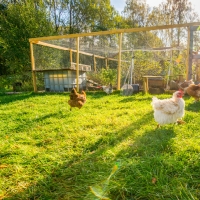
Embarking on the journey of a hobby farm is like stepping into a vibrant canvas where you can paint your dreams with the colors of nature. Whether you've just acquired a few acres or are dreaming about transforming your backyard, the possibilities are endless. To ensure your venture flourishes, here are some hints and tips to guide you along the way.
Start small and scale up gradually. It can be tempting to dive headfirst into the world of farming, but beginning with a manageable plot helps you learn the ropes without feeling overwhelmed. Consider planting herbs or a few vegetable varieties that you enjoy eating. Once you’ve mastered these, expand your garden to include more crops or even fruit trees.
Invest in quality soil and compost. The foundation of a successful garden lies in the earth beneath your feet. Take the time to understand your soil type, and supplement it with organic matter through composting. This will not only revitalize your soil but also enhance the flavor and yield of your crops.
Embrace the local climate. Each region has its unique weather patterns, which influence what you can grow. Research the plants that thrive in your area, and consider native varieties that will adapt well to local conditions. This way, your plants will be more resilient and require less maintenance.
Integrate livestock into your farm plan. If space permits, think about adding a few chickens, goats, or even bees. These animals can provide food, help with pest control, and enrich your soil. Plus, the joy they bring is an immeasurable bonus, not to mention the fresh eggs or milk that can be a delightful part of your daily routine.
Learn about crop rotation and companion planting. These practices will enhance soil health and increase crop productivity. By rotating your crops each season, you can prevent soil depletion and disrupt pest cycles. Companion planting, or growing plants together that can benefit each other, can maximize your garden’s potential and create a more balanced ecosystem.
Stay organized and plan ahead. Create a timeline for planting, harvesting, and maintaining your farm. Keeping a journal of your activities, successes, and failures can provide valuable insights for future seasons. It’s a great way to reflect on your journey and track your progress.
Network with fellow hobby farmers. Building connections with other enthusiasts can provide you with a wealth of knowledge and support. Attend local workshops, join online forums, or participate in community events to share experiences and learn from each other.
Stay patient and flexible. Farming is a constant learning experience with its fair share of challenges. Weather patterns, pests, and plant diseases can test your resolve. Embrace these obstacles as opportunities for growth, and remember that every mistake is a chance to learn and improve your skills.
Finally, enjoy the process. Take time to savor the simple pleasures that come with hobby farming, whether it’s the satisfaction of harvesting your first tomatoes or the quiet moments spent in your garden. Celebrate your achievements, no matter how small, and let your passion for farming guide you to new adventures. With dedication, creativity, and a bit of patience, your hobby farm can flourish into a sanctuary of growth and fulfillment.


Post a comment